About Diethylene Glycol Deg
| Purity % |
99% |
| Packaging Details |
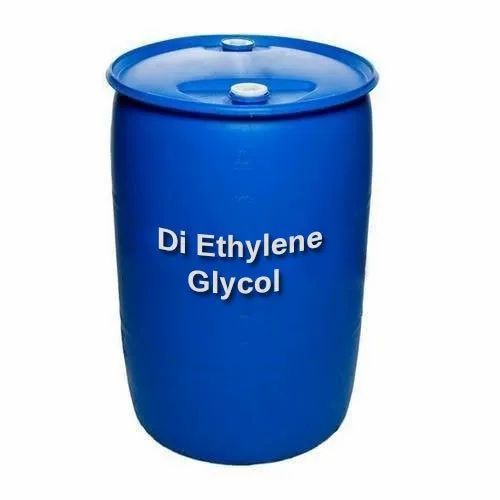
200 litres Drum |
| Grade Standard |
Industrial Grade |
| Physical State |
Liquid |
| CAS No |
111-46-6 |
| Synonyms |
Diglycol, Ethylene diglycol, Dihydroxy diethyl ether, DEG |
| Chemical Formula |
C4H10O3 |
| EC No. |
203-872-2 |
| Color |
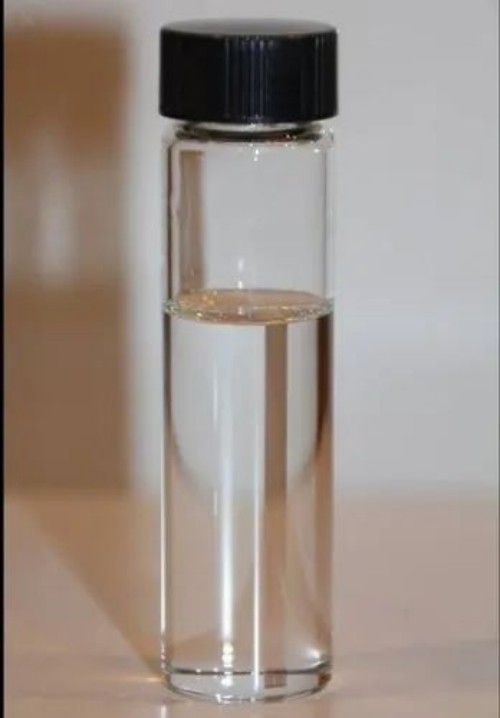
Colorless |
| Odour |
Odorless |
| Molecular Weight |
106.12 g/mol |
| Density |
1.12 g/cm3 |
| Melting Point |
-10.45 deg C (13.19 deg F; 262.70 K) |
| Boiling Point |
244 to 245 deg C (471 to 473 deg F; 517 to 518 K) |
| PubChem CID |
8117 |
We have been counted amongst the most trusted names in this domain, engaged in offering a standard quality range of these products.
Diethylene glycol (DEG) is an organic compound with the formula (HOCH2CH2)2O. It is a colorless, practically odorless, poisonous, and hygroscopic liquid with a sweetish taste. It is miscible in water, alcohol, ether, acetone, and ethylene glycol.
Get Best price of 99% pure 200 litres drum of Diethylene Glycol CAS No. 111-46-6, C4H10O3. For Certificate of Analysis (COA) & MSDS, kindly contact us.
Hazards:- Eye: May cause mild eye irritation.
- Skin: May cause mild skin irritation.
- Ingestion: May cause liver and kidney damage.
- Inhalation: May cause respiratory tract irritation.
First Aid Measures:- Eyes: Flush eyes with plenty of water for at least 15 minutes, occasionally lifting the upper and lower eyelids.
- Skin: Get medical aid. Immediately flush skin with plenty of water for at least 15 minutes while removing contaminated clothing and shoes. Wash clothing before reuse.
- Ingestion: If victim is conscious and alert, give 2-4 cupfuls of milk or water.
- Inhalation: Remove from exposure and move to fresh air immediately. If not breathing, give artificial respiration. If breathing is difficult, give oxygen.
Storage:- Store in a cool, dry, well-ventilated area away from incompatible substances.
- Keep containers tightly closed.
- Store protected from moisture.
Fire Fighting Measures:- Suitable Extinguishing Media: Dry chemical, foam or carbon dioxide. Water spray may be used to keep fire exposed containers cool, dilute spills to nonflammable mixtures, protect personnel attempting to stop leak, and disperse vapors.
- Special Fire Fighting Procedures: Evacuate area. Do not use direct water stream to extinguish fires. Product may travel with water and reignite. Vapors can flow along surfaces to distant ignition source and flash back. Do not release runoff from fire control methods to sewers or waterways.
Stability And Reactivity:- Chemical Stability: Stable under normal temperatures and pressures.
- Conditions to Avoid: Excess heat, exposure to moist air or water.
- Incompatibilities with Other Materials: Strong oxidizing agents, strong acids, strong bases.
- Hazardous Decomposition Products: Carbon monoxide, carbon dioxide.
High Purity and Industrial GradeOur Diethylene Glycol boasts a purity of no less than 99%, ensuring optimal performance for demanding industrial and laboratory applications. Classified as industrial grade, it meets rigorous quality standards and offers excellent compatibility with various processes and raw materials, making it suitable for textiles, chemical manufacturing, brake fluids, plastics, and solvents.
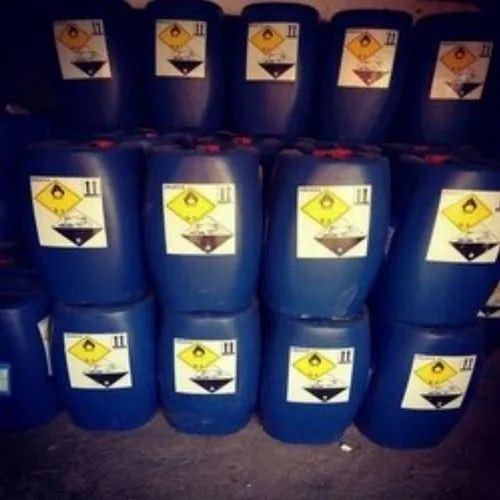
Safe and Secure PackagingThe product is distributed in robust 230 kg MS/HDPE drums to ensure safe handling and transportation. Proper sealing and container materials help maintain the chemical's integrity during transit and long-term storage, reducing the risk of contamination and preserving its efficacy over a 24-month shelf life.
Versatile ApplicationsDiethylene Glycol serves as a vital chemical intermediate across sectors such as textiles, plastics, brake fluids, and the chemical industry. Its miscibility with several solvents and water enhances its adaptability for various formulations, making it an invaluable resource for manufacturers and laboratories seeking reliability and performance.
FAQ's of Diethylene Glycol Deg:
Q: How should Diethylene Glycol (DEG) be stored for maximum shelf life?
A: DEG should be kept in tightly closed containers and stored in a cool, dry, and well-ventilated area to minimize moisture absorption and maintain product quality over its 24-month shelf life.
Q: What are the key benefits of using Diethylene Glycol in industrial applications?
A: DEG offers high purity, excellent solubility with water and various organic solvents, and consistent performance, making it ideal for use in textiles, plastics, brake fluids, and as a chemical intermediate.
Q: When can I expect delivery, and what is the minimum order quantity for Diethylene Glycol?
A: The minimum order quantity for Diethylene Glycol is 200 kg, supplied in 230 kg drums. Delivery times depend on location and order processing, so please contact us for specific timelines.
Q: Where is Diethylene Glycol most commonly used?
A: DEG is widely utilized in the textile industry, plastics manufacturing, production of brake fluids, and as a versatile solvent and chemical intermediate in various industrial processes.
Q: What is the proper process for handling Diethylene Glycol safely?
A: Handle DEG in well-ventilated areas, use personal protective equipment, and avoid direct contact or inhalation. Always follow applicable safety guidelines as it is classified as poisonous despite being non-toxic in controlled industrial use.
Q: How can Diethylene Glycol's characteristics benefit laboratory settings?
A: Its high purity, neutral pH, and clear, colorless appearance make it suitable for laboratory experiments requiring precise chemical reactions or as a reliable solvent in different protocols and analyses.





 Send Inquiry