About Sodium Lauryl Ether Sulphate
| Purity % |
28% & 70% |
| Usage/Application |
Surface Disinfectant |
| Packaging Details |
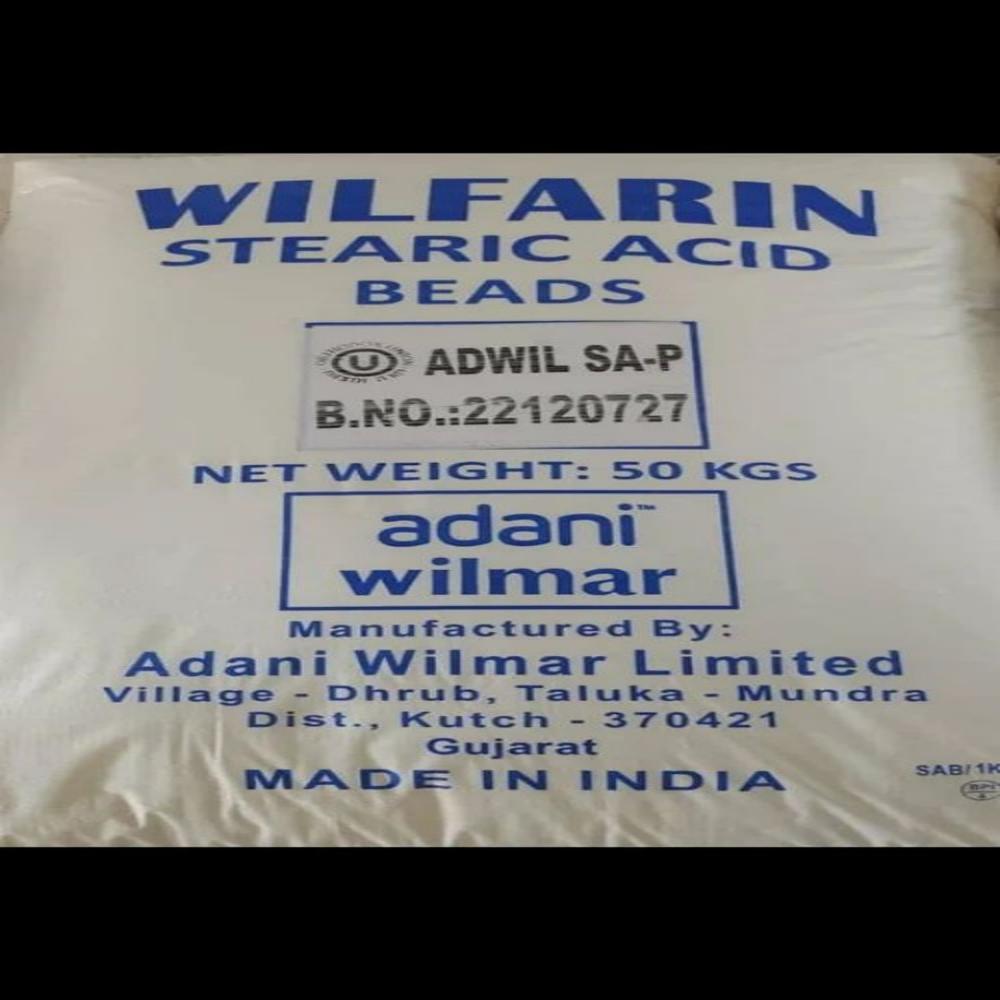
50 Kg Bag |
| Packaging Size |
50 |
| Packaging Type |
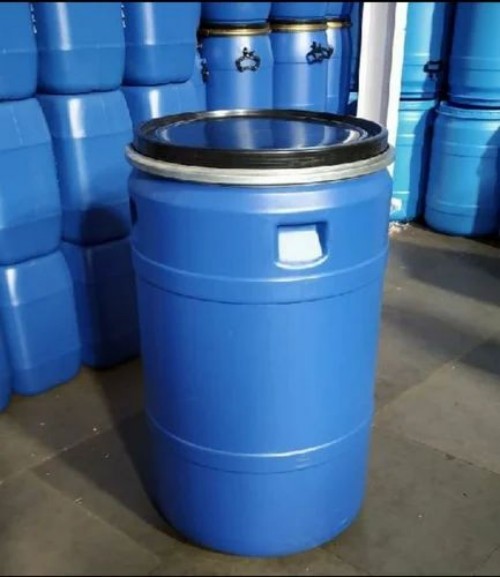
Drum |
| Grade Standard |
Industrial Grade |
| Grade |
INDUSTRIAL |
| Purity (%) |
28 & 70 |
| Physical State |
Liquid |
We have been counted amongst the most trusted names in this domain, engaged in offering a standard quality range of these products.
Powerful Cleaning and Foaming ActionSLES delivers excellent foaming and cleaning capabilities, making it a preferred ingredient in detergents, shampoos, and various household or personal care cleaners. Its anionic nature enables effective removal of dirt, grease, and oils, ensuring thorough cleanliness with a rich, stable foam.
Safe and Environmentally FriendlyBiodegradable and non-toxic when used in recommended concentrations, Sodium Lauryl Ether Sulphate poses minimal environmental impact. Its mild odor and non-poisonous properties (when used correctly) make it suitable for a wide range of applications in both industrial and personal care sectors.
Versatile Applications and Reliable StorageThanks to its high solubility and stable viscosity, SLES is easily incorporated into liquid formulations. It should be stored in a cool, dry, well-ventilated area away from sunlight to maintain its 24-month shelf life, making it convenient for bulk storage and transportation in drums or IBC tanks.
FAQ's of Sodium Lauryl Ether Sulphate:
Q: How should Sodium Lauryl Ether Sulphate (SLES) be stored for maximum shelf life?
A: SLES should be stored in a cool, dry, and well-ventilated area away from direct sunlight. Proper storage ensures its efficacy and preserves its 24-month shelf life.
Q: What are the primary applications of SLES in industry?
A: SLES is widely used as a surfactant in detergents, shampoos, liquid soaps, personal care products, and various cleaning agents due to its outstanding foaming and cleaning abilities.
Q: When is SLES most effectively used in formulations?
A: SLES is most effective when incorporated into formulations that require excellent foaming and cleaning performance, typically at an active matter concentration of 28% or 70%, depending on the end product requirements.
Q: Where is SLES commonly packaged and how is it supplied?
A: SLES is commonly supplied in drums, IBC tanks, or in bulk to manufacturers, distributors, and suppliers, facilitating safe handling and convenient transportation.
Q: What process does SLES undertake in cleaning and personal care products?
A: In cleaning and personal care products, SLES acts as an anionic surfactant, helping to emulsify and lift away oils, dirt, and impurities while creating a stable and rich foam.
Q: How can manufacturers benefit from using SLES in their products?
A: Manufacturers benefit from SLES's excellent solubility, high purity, and compliance with industrial detergent standards, resulting in cost-effective formulations and superior performance in end products.
Q: Is SLES safe to use in regular concentrations and what precautions should be taken?
A: Yes, SLES is non-toxic in recommended amounts but should not be ingested or come into contact with eyes. Always follow safety guidelines when handling and formulating with SLES.





 Send Inquiry