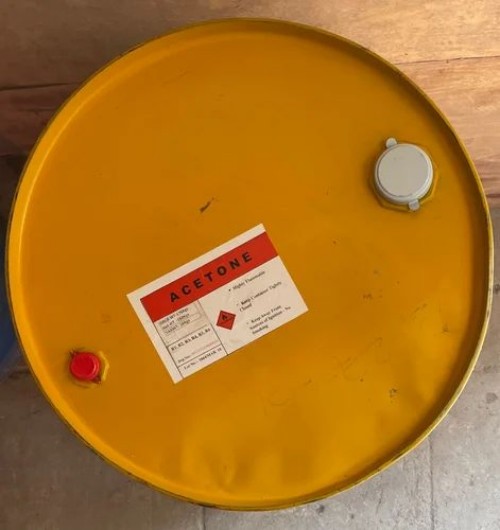
About Acetone Solvent Chemical
| Purity % |
>99% |
| Packaging Details |
160 kg Drum |
| Usage/Application |
Industrial Equipment Cleaning |
| Make |
India |
| BRAND |
HOC |
We have been counted amongst the most trusted names in this domain, engaged in offering a standard quality range of these products.
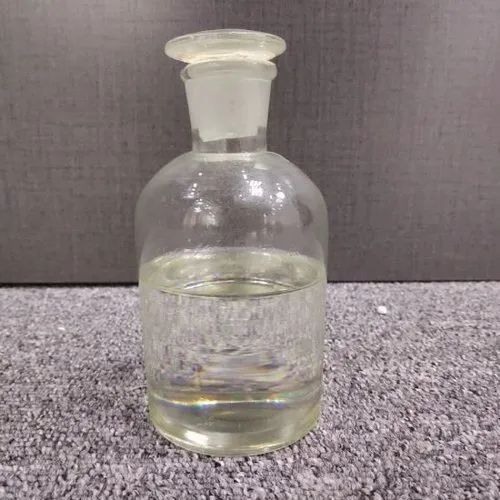
Fast-Evaporating, High-Purity SolventAcetone stands out for its very high evaporation rate and purity of 99.5% min, making it an efficient choice for rapid-drying applications. Its low viscosity ensures quick penetration into surfaces, and its compatibility with various substances provides flexibility across industrial and laboratory uses. Supplied in clear liquid form, acetone consistently meets ASTM quality standards.
Safe Storage and Handling GuidanceGiven its low flash point (-20C) and high vapor pressure, acetone should be stored in cool, dry, well-ventilated areas away from any ignition source. Use only with proper personal protective equipment and avoid contact with strong oxidizers due to violent reactivity. Original sealed drums or containers extend shelf life and ensure product stability.
Broad Application RangeAcetone is widely valued in industries as a solvent due to its miscibility with water, alcohol, and oils. It plays a key role in manufacturing paints, coatings, cleaning solutions, adhesives, and is integral to pharmaceutical and cosmetic production. Its organic structure (CH3COCH3) is well-suited for dissolving a wide variety of substances.
FAQ's of Acetone Solvent Chemical:
Q: How should acetone be stored to ensure safety and product stability?
A: Acetone should be stored in a cool, dry, and well-ventilated area, away from any ignition sources, strong oxidizers, direct sunlight, and heat. Always keep it in tightly sealed original packaging, such as drums, cans, or IBC totes, to maximize its two-year shelf life and maintain stability.
Q: What are the main industrial and laboratory uses of acetone solvent?
A: Acetone is primarily used as a solvent in the manufacture and formulation of paints, coatings, adhesives, cleaning chemicals, pharmaceuticals, and cosmetic products. Its rapid evaporation and excellent solvency properties make it ideal for dissolving and cleaning a variety of substances.
Q: When is acetone's high evaporation rate particularly beneficial in application?
A: The high evaporation rate of acetone is advantageous in processes requiring fast drying or removal of residues-such as surface cleaning, paint thinning, and quick-turnover industrial applications-where minimal residue and rapid workflow are desired.
Q: Where can acetone be safely used, considering its hazards?
A: Acetone should only be used in well-ventilated environments, such as designated laboratory fume hoods, paint booths, or industrial workspaces with adequate airflow. Personal protective equipment like gloves and goggles is strongly recommended to minimize exposure risks.
Q: What process should be followed if acetone is accidentally spilled?
A: Immediately evacuate the area and eliminate ignition sources. Ventilate the space, use inert absorbent materials (like sand or vermiculite) to contain and collect the spill, then dispose of the waste safely according to local regulations. Always wear protective equipment when handling acetone spills.
Q: How does acetone's compatibility influence its solvent effectiveness?
A: Acetone's miscibility with water, alcohols, ethers, and most oils enhances its ability to dissolve and remove a wide variety of materials, making it a highly effective and flexible solvent across multiple industries.
Q: What are the benefits of acetone's stable and high-purity formulation?
A: Acetone's high purity (99.5% min) ensures minimal impurities, enhancing reliability in sensitive processes such as pharmaceutical manufacturing and laboratory analysis. Its chemical stability under proper storage enables consistent performance throughout its shelf life.





 Send Inquiry