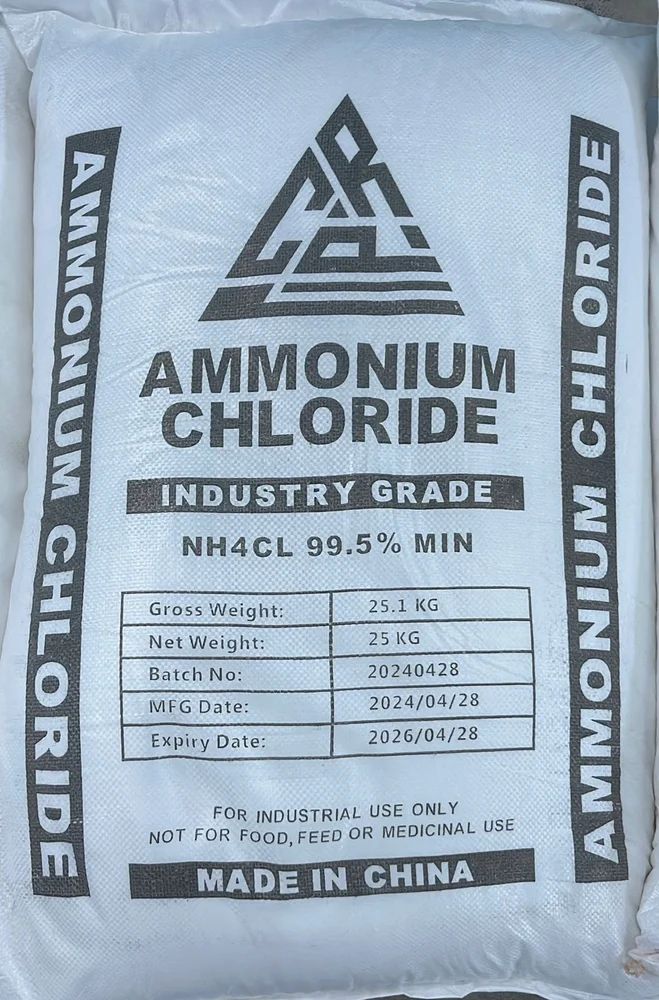
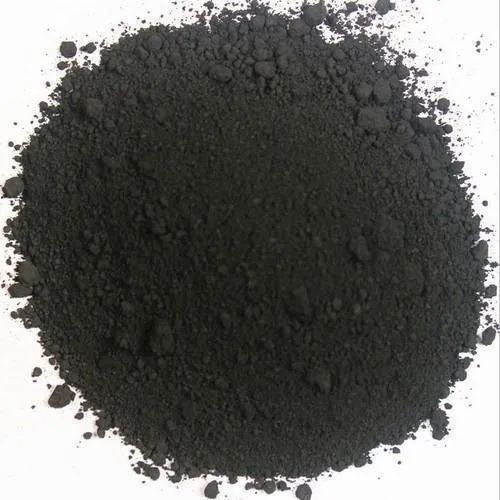
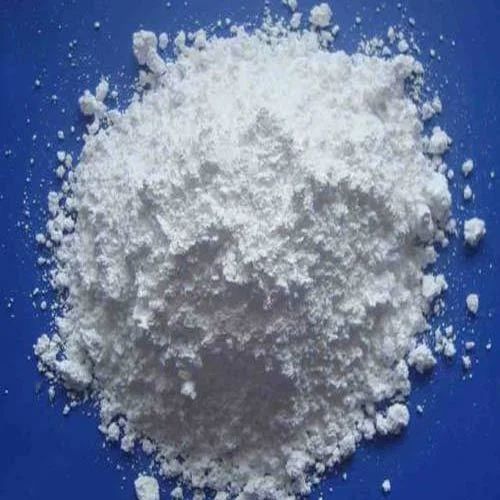
About Ammonium Chloride Powder.
| Purity |
>99% |
| Grade |
Technical Grade |
| Form |
Powder |
| Packaging Size |
25 Kg |
| Packaging Details |
25kg Bag |
| Packaging Type |
Bag |
| Grade Standard |
Technical Grade |
| Cas Number |
12125-02-9 |
| Molecular Formula |
NH4Cl |
| Density |
1.53 g/cm3 |
| Melting Point |
338 deg C |
| Molar Mass |
53.491 g/mol |
| Soluble in |
Ammonia, Water, Alcohol, Methanol, Glycerol, Hydrazine |
In order to keep pace with never ending demands of the customers, our company is instrumental in offering
Ammonium Chloride.
Exceptional Purity and CompositionAmmonium Chloride Powder features a minimum purity of 99% and meticulously controlled levels of moisture content (max 0.5%), iron (max 0.001%), and heavy metals (max 0.0005% as Pb). Its chloride content stands at a minimum of 60.25%, ensuring optimal effectiveness and safety for a broad range of uses.
Versatile Applications Across IndustriesThis powdered salt is widely used in an array of industrial areas, including the production of dry cell batteries, textile processing, metalworking for flux, various laboratory experiments, as well as agricultural fertilizers. Its reliable properties support numerous essential processes globally.
Safe Handling and Stable StorageAmmonium Chloride Powder is non-flammable, stable under recommended storage conditions, and has a shelf life of two years. To ensure maximum effectiveness, store in a cool, dry, and well-ventilated space with containers sealed tightly. Avoid contact with strong oxidizers, acids, or alkalis to preserve quality and prevent decomposition.
FAQ's of Ammonium Chloride Powder.:
Q: How should Ammonium Chloride Powder be stored for optimal stability?
A: Store Ammonium Chloride Powder in a cool, dry, and well-ventilated area. Keep containers tightly sealed, away from strong oxidizers, acids, and alkalis to maintain stability and shelf life of up to two years.
Q: What are the common industrial uses of Ammonium Chloride Powder?
A: Ammonium Chloride Powder is utilized in dry cell battery manufacturing, textile printing, metalwork as a flux, laboratory reagents, and as a fertilizer in agriculture due to its high purity and versatile properties.
Q: When does Ammonium Chloride Powder decompose, and what are its byproducts?
A: Ammonium Chloride decomposes upon heating before reaching boiling point (338C), releasing ammonia and hydrogen chloride gases. Proper ventilation and handling protect against exposure to these decomposition products.
Q: Where can Ammonium Chloride Powder be applied in agriculture?
A: In agriculture, Ammonium Chloride Powder is used as a nitrogen source in fertilizers, helping improve soil nutrient content and supporting plant growth, especially in crops requiring ammonium-based nutrition.
Q: What is the recommended process for dissolving Ammonium Chloride Powder?
A: Ammonium Chloride Powder dissolves readily in water. To prepare solutions, gradually add the powder to water with gentle stirring to ensure complete dissolution before use.
Q: How does the product benefit industrial operations?
A: Its high purity, predictable solubility, and reliable composition make Ammonium Chloride Powder ideal for critical industrial processes, enhancing efficiency, safety, and product quality across multiple sectors.





 Send Inquiry