About Calcium Hydroxide
| Grade |
Industrial Grade |
| Purity |
90 % |
| Application |
Water Treatment |
| Packaging Size |
40 kg |
| Packaging Type |
PP Bag |
| Form |
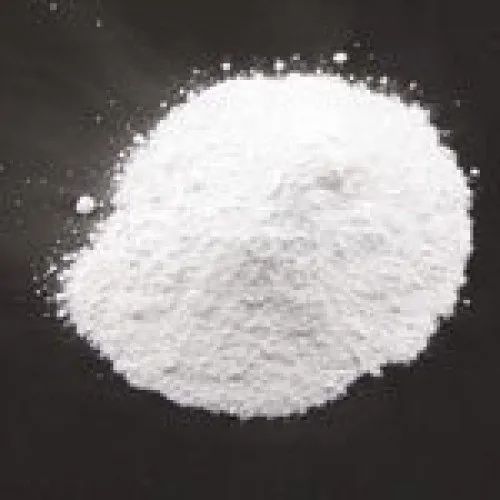
Powder |
| Packing Size |
25 Kg |
| Packing Type |
Bag |
| Usage |
Chemical Industry |
| Molar Mass |
74.093 g/mol |
| Formula |
Ca(OH)2 |
| Density |
2.21 g/cm3 |
| CAS Number |
1305-62-0 |
| ChemSpider |
14094 |
| EC Number |
215-13 |
| PubChem CID |
14777 |
| Melting Point |
580 deg C (1,076 deg F; 853 K) |
We have been counted amongst the most trusted names in this domain, engaged in offering a standard quality range of these products.
Varied Industrial ApplicationsCalcium Hydroxide plays a critical role across multiple sectors, including construction, water treatment, chemical manufacturing, and food processing. Its use in soil stabilization enhances foundation strength for construction projects, while its high purity makes it trusted for refining sugar and regulating pH in food production. It is also reliable for flue gas treatment, facilitating the removal of acidic contaminants during industrial processes.
Safe Handling and StorageThis product is classified as non-hazardous for transportation and has low toxicity, but appropriate safety precautions should be observed. Always avoid inhalation, as well as contact with skin and eyes. Store Calcium Hydroxide in a cool, dry, well-ventilated area away from any moisture to maintain its effectiveness. Following these guidelines ensures a shelf life of up to 24 months in sealed packaging.
FAQ's of Calcium Hydroxide:
Q: How should Calcium Hydroxide be stored to maintain its quality?
A: Calcium Hydroxide should be stored in a cool, dry, and well-ventilated area away from moisture. Keeping it sealed in the original plastic-lined HDPE bags will help retain its effectiveness for up to 24 months.
Q: What are the main industrial benefits of using Calcium Hydroxide?
A: Calcium Hydroxide offers several industrial benefits, such as improving soil stability in construction, aiding in water and flue gas treatment, refining sugar, and regulating pH in food processing. Its versatility and high purity make it suitable for a range of applications.
Q: When is Calcium Hydroxide typically used in chemical processes?
A: It is commonly used when strong alkalinity is required, such as pH regulation, neutralization of acids, and removal of impurities during chemical manufacturing. Its reactivity with acids and carbon dioxide makes it especially useful in these processes.
Q: Where can Calcium Hydroxide be applied in water treatment?
A: In water treatment plants, Calcium Hydroxide is utilized for softening water, adjusting pH levels, and precipitating heavy metals, thereby improving the safety and quality of the water supply.
Q: What is the recommended process for handling Calcium Hydroxide powder safely?
A: When handling Calcium Hydroxide, use personal protective equipment such as gloves, goggles, and a dust mask. Prevent inhalation of dust and avoid direct contact with skin and eyes to minimize health risks.
Q: Is Calcium Hydroxide hazardous for transport or storage?
A: No, Calcium Hydroxide is classified as non-hazardous under transport regulations. However, standard safety precautions should still be observed during handling and storage.
Q: What advantages does Calcium Hydroxide provide in food processing?
A: In food processing, Calcium Hydroxide assists in refining sugar, enhancing food safety, and maintaining pH levels, which is essential for product consistency and stability. The high purity grade makes it suitable for such sensitive uses.






 Send Inquiry