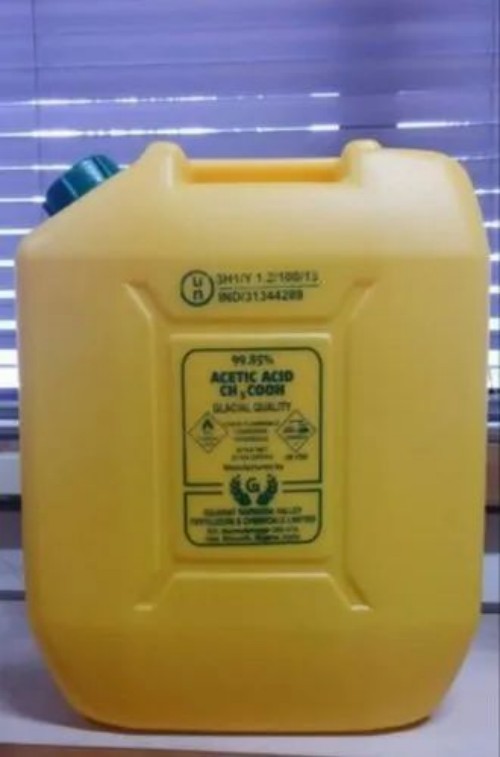
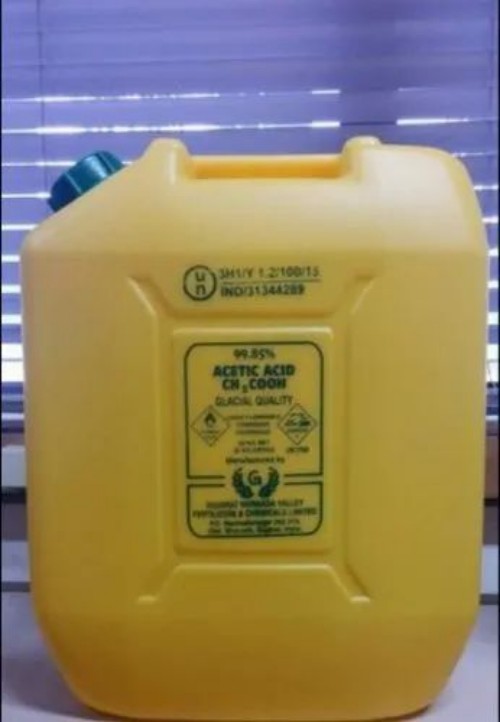
About Acetic Acid food grade
| Grade |
Food Grade |
| Packaging Size |
30 kg cane |
| Color |
Transparent |
| Usage/Application |
Food industry |
| Form |
Liquid |
| Concentration |
99.9 |
| Packaging Type |
Barrel |
| Cas Number |
64-19-7 |
| Molecular Formula |
CH3COOH |
| E.C. Number |
200-580-7 |
| Molecular Weight |
60.052 g/mol |
| Density |
1.05 g/cm3 |
| Melting Point |
16 to 17 deg C; 61 to 62 deg F; 289 to 290 K |
| Boiling Point |
118 to 119 deg C; 244 to 246 deg F; 391 to 392 K |
| ChemSpider |
171 |
We are ranked on top by offering the best quality of Acetic Acid, which is known for its remarkable finish and quality.
Versatile Applications in Food ProcessingAcetic Acid (CH3COOH) serves multiple roles in the food industry, ranging from a preservative that extends shelf life, to an acidulant that balances flavor and pH. Its effectiveness as a condiment and flavoring agent makes it indispensable in the production of pickles, sauces, and dressings. The strong, vinegar-like taste and aroma add distinctive notes to culinary creations.
Safe Handling and PackagingEnsuring safety, Acetic Acid food grade is packaged in high-quality HDPE drums of varying capacities to facilitate secure storage and transportation. Given its corrosive nature (Hazard Class 8), it is vital to store this liquid in cool, dry, and well-ventilated spaces away from ignition sources. Follow standard handling guidelines to prevent skin and eye contact.
FAQ's of Acetic Acid food grade:
Q: How is food grade Acetic Acid typically used in food processing?
A: Food grade Acetic Acid is used as a preservative, acidity regulator, condiment, and flavoring agent, commonly found in pickles, salad dressings, sauces, and as a means to balance the pH of various food products.
Q: What precautions should be taken when storing Acetic Acid food grade?
A: Acetic Acid should be stored in a cool, dry, and well-ventilated area, away from sources of ignition. Containers should be kept tightly sealed and stored in compatible HDPE drums to maintain integrity and safety.
Q: Where is Acetic Acid food grade commonly applied?
A: It is primarily used in the food industry, especially in applications such as food preservation, pH regulation, as a condiment, and for enhancing flavors in various culinary goods.
Q: What is the benefit of using Acetic Acid as a preservative in foods?
A: Acetic Acid extends the shelf life of foods by inhibiting microbial growth, thus helping to retain freshness and safety in perishable products.
Q: How should Acetic Acid food grade be handled to ensure safety?
A: Wear protective gloves and goggles when handling, as Acetic Acid is corrosive. Ensure adequate ventilation and prevent contact with skin or eyes. In case of spillage, clean up promptly using appropriate material.
Q: What is the process for diluting Acetic Acid for food industry use?
A: Dilution should be performed using clean, non-reactive equipment and with the gradual addition of Acetic Acid to water (not vice versa) while stirring, following industry-standard procedures to achieve the desired concentration.





 Send Inquiry