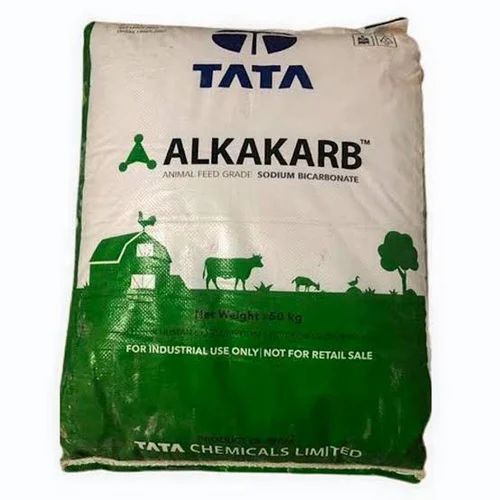
About Sodium Bicarbonate Feed Grade
| Grade Standard |
Feed grade |
| Purity |
99.5% |
| Packaging Size |
50 Kg |
| Form |
Powder |
| Usage |
Animal feed |
| Packaging Type |
Laminated Bag |
| Brand |
Tata |
| Color |
White |
| Country Of Origin |
Made In India |
We have been counted amongst the most trusted names in this domain, engaged in offering a standard quality range of these products.
Effective Sodium and Bicarbonate Source for Animal FeedsSodium Bicarbonate Feed Grade delivers an efficient means of supplementing sodium and bicarbonate, vital micronutrients that support healthy metabolism and physiological balance in livestock, poultry, and aquaculture. Its high purity and solubility make it easy to incorporate into feed blends, promoting consistent animal health outcomes.
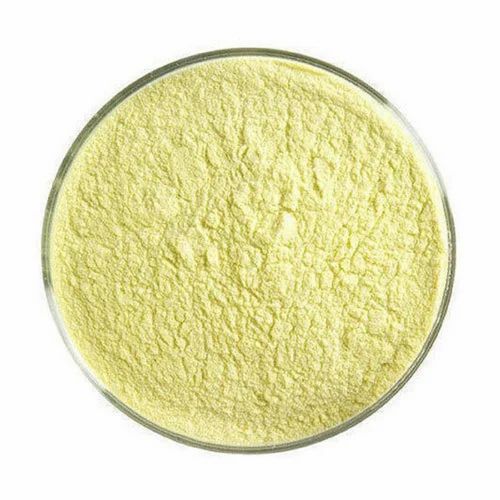
Strict Quality Specifications for Safe UseCarefully processed to stringent standards, this sodium bicarbonate offers maximum chloride, lead, and arsenic levels well within regulatory limits. Its crystalline, white appearance, and lack of visible impurities ensure not only safety but also the ease of identifying product quality before blending into animal feeds.
User-Friendly Packaging and Extended Shelf LifeAvailable in durable 25 kg and 50 kg laminated polypropylene bags with an inner liner, Sodium Bicarbonate Feed Grade is protected from moisture and contaminants. Proper storage in cool, ventilated areas ensures the product's effectiveness for up to two years from the date of packing.
FAQ's of Sodium Bicarbonate Feed Grade:
Q: How should Sodium Bicarbonate Feed Grade be stored for maximum shelf life?
A: Store the product in a cool, dry, and well-ventilated environment, away from moisture and direct sunlight. This ensures its effectiveness and maintains its 24-month shelf life when kept in its original packaging.
Q: What is the primary use of Sodium Bicarbonate Feed Grade in animal nutrition?
A: It is used as a feed supplement to fulfill the sodium and bicarbonate requirements of livestock, poultry, and aquaculture. It helps maintain electrolyte balance and optimal metabolic function in animals.
Q: In what forms is Sodium Bicarbonate Feed Grade available for distribution?
A: The product is packaged in secure 25 kg or 50 kg laminated PP bags with inner liners, which protect the powder from moisture and contamination during storage and transport.
Q: When should Sodium Bicarbonate Feed Grade be added to animal feed?
A: It should be blended during the feed preparation process, ensuring even distribution throughout the mixture. This guarantees that all animals receive the correct supplementation in their diet.
Q: Where is Sodium Bicarbonate Feed Grade most frequently utilized?
A: It is most commonly used on livestock farms, poultry operations, and aquaculture facilities seeking to boost dietary sodium and bicarbonate levels in their animal feeds.
Q: What is the process for incorporating Sodium Bicarbonate into animal feed blends?
A: The powder, with a particle size of 80-250 microns, is thoroughly mixed with other feed ingredients. Its excellent solubility ensures that it disperses evenly, optimizing its absorption by animals.
Q: What are the benefits of using Sodium Bicarbonate Feed Grade in feed formulations?
A: The key benefits include improved animal health through proper mineral supplementation, enhancement of feed palatability, and support for optimal digestive function and metabolic balance in animals.





 Send Inquiry