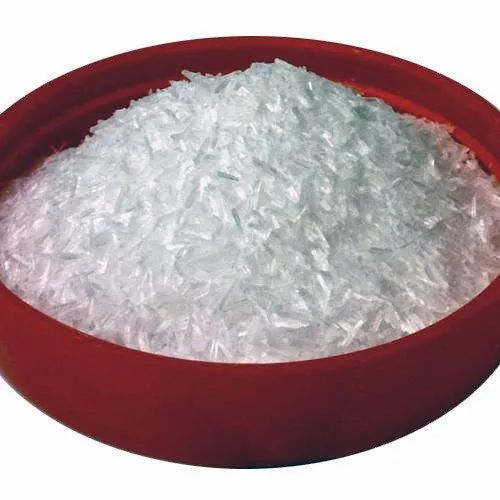
About Monosodium Glutamate
| Packaging Size |
25 Kg |
| Usage/Application |
Food Industries |
| Packaging Type |
Bag |
| Molar Mass |
169.111 g/mol |
| Cas Number |
142-47-2 |
| Molecular Formula |
C5H8NO4Na |
| Color |
White |
| Melting Point |
232 degree C (450 degree F; 505 K) |
| ChemSpider |
76943 |
| EC Number |
205-538-1 |
| PubChem CID |
85314 |
We have been counted amongst the most trusted names in this domain, engaged in offering a standard quality range of these products.
Purity and Safety StandardsOur Monosodium Glutamate meets strict safety requirements, with heavy metals and lead contents well below regulatory thresholds (<10 ppm and <1 ppm, respectively). The product is gluten-free and contains no common allergens, making it suitable for a wide spectrum of dietary needs. Produced via a controlled fermentation process, it guarantees food-grade quality and non-toxic properties.
Versatile and Effective Flavor EnhancementMonosodium Glutamate is recognized for delivering the umami or savory taste in foods. It dissolves easily in water, making it the preferred choice for food manufacturers adding flavor to snacks, canned vegetables, soups, processed meats, and seasoning blends. Its consistent crystalline form ensures even distribution and reliable results in bulk food production.
Storage and LongevityProperly stored in a dry, cool place and tightly sealed, Monosodium Glutamate maintains its potency and safety for up to three years. The product's stable crystalline nature keeps it free-flowing and fresh, minimizing wastage for distributors, traders, and manufacturers alike.
FAQ's of Monosodium Glutamate:
Q: How is Monosodium Glutamate manufactured?
A: Monosodium Glutamate is produced through a fermentation process, using natural sources of carbohydrates. This advanced method results in a high-purity product that maintains consistent quality and safety, suitable for food-grade applications.
Q: What are the main uses of Monosodium Glutamate in food processing?
A: MSG is primarily used as a flavor enhancer to impart an umami or savory taste in foods such as snacks, soups, seasonings, canned vegetables, and processed meats. Its excellent solubility in water makes it versatile for various food formulations.
Q: When should Monosodium Glutamate be added to food products?
A: It is best to add MSG during the blending or mixing stage in food preparation for even distribution and optimal flavor enhancement. This ensures its umami effect is well integrated into the final product.
Q: Where should Monosodium Glutamate be stored for maximum shelf life?
A: MSG should be stored in a dry, cool place in tightly sealed packaging to preserve its quality and efficacy. Under proper storage conditions, its shelf life is two to three years.
Q: What are the benefits of using Monosodium Glutamate in food production?
A: Using MSG enhances the overall taste profile of foods, making dishes more savory and appealing without adding extra sodium. It also allows manufacturers to create richer flavor experiences while maintaining product purity and safety standards.
Q: How pure is this Monosodium Glutamate product?
A: This Monosodium Glutamate features a minimum purity of 99%. Strict quality controls ensure low heavy metal content (<10 ppm) and lead content (<1 ppm), making it a reliable choice for food manufacturers.





 Send Inquiry