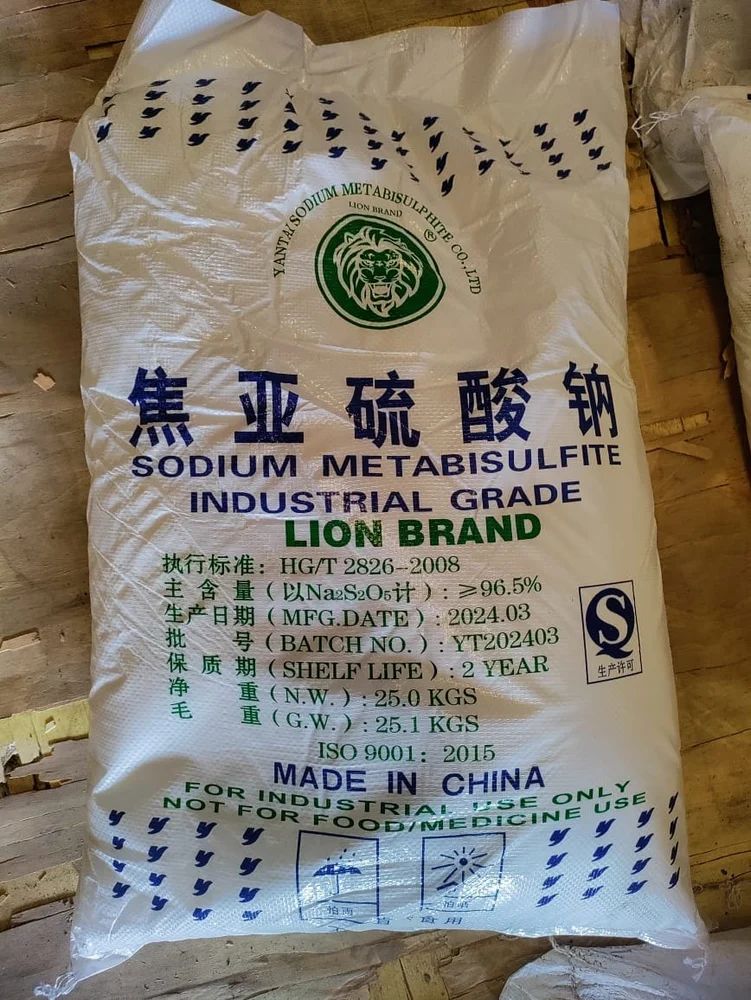
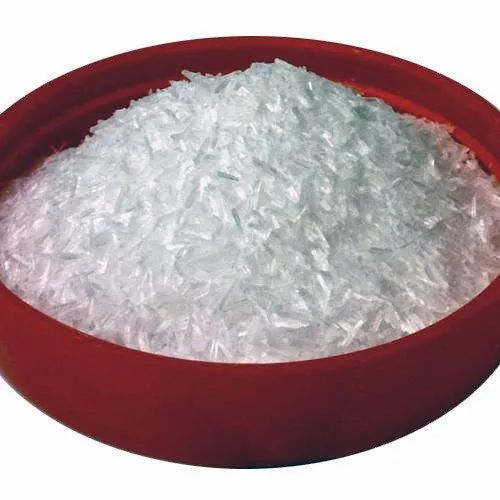
About Sodium Metabisulfite Powder
| Purity |
>99% |
| Grade |
Industrial |
| Form |
Powder |
| Usage/Application |
ALL APPLICATION |
| Packaging Details |
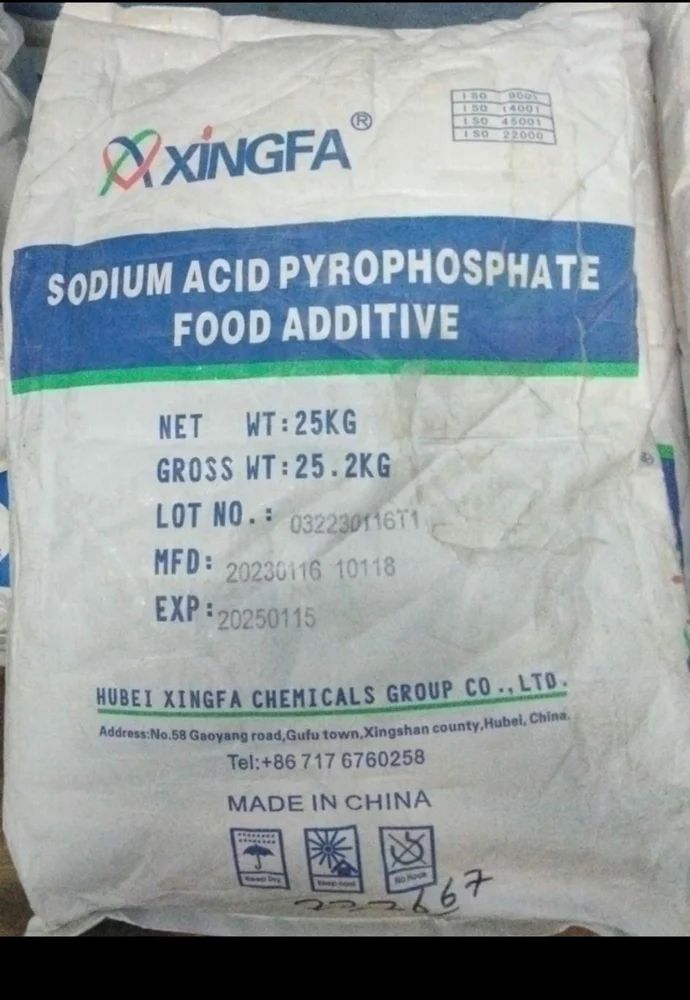
25 Kg Bag |
| Packaging Size |
25 KG BAG |
| Concentration |
99 |
We have been counted amongst the most trusted names in this domain, engaged in offering a standard quality range of these products.
Versatile ApplicationsSodium Metabisulfite Powder is essential across industries for its exceptional properties. Its use ranges from water treatment and food preservation to pulp bleaching, pharmaceuticals, and photographic processing. As a reducing agent and odor control additive, it provides effective, reliable results in diverse commercial and industrial settings.
Handling and Storage GuidelinesFor optimum stability, sodium metabisulfite should be stored in a cool, dry, well-ventilated area away from moisture, acids, and oxidizing agents. The HDPE bag packaging ensures product integrity. With a shelf life of 12 to 24 months under recommended storage conditions, it maintains its efficacy and purity when handled properly.
Safety and Regulatory ComplianceThis compound is classified as Class 8 (corrosive), with UN number 2653. It releases sulfur dioxide when dissolved, and inhalation or ingestion in large amounts can be hazardous. Always use protective equipment during handling. Compliance with appropriate storage, usage guidelines, and safety standards is essential for safe and effective application.
FAQ's of Sodium Metabisulfite Powder:
Q: How should Sodium Metabisulfite Powder be stored to ensure maximum shelf life?
A: To maximize shelf life, store sodium metabisulfite in a cool, dry, well-ventilated area, away from moisture, acids, and oxidizing agents. The container should be tightly sealed, and the product should remain in its original HDPE bag with an inner liner. Under these conditions, it maintains stability for 12-24 months.
Q: What are the common applications of Sodium Metabisulfite Powder?
A: Sodium Metabisulfite Powder is used in water treatment, as a food preservative, bleaching agent in the pulp and paper industry, disinfectant, antioxidant, and photographic chemical. Its reducing properties make it valuable in pharmaceuticals and other industrial processes where oxidation needs to be minimized.
Q: How is Sodium Metabisulfite Powder typically used in water treatment?
A: In water treatment, sodium metabisulfite acts as a reducing agent, efficiently removing chlorine and chloramine from water. The powder is dissolved in water, releasing sulfur dioxide, which neutralizes unwanted oxidizing compounds, making the water safer for downstream applications or equipment.
Q: What precautions should be taken when handling Sodium Metabisulfite Powder?
A: Due to its corrosive nature (Class 8 hazardous material) and the release of sulfur dioxide gas, appropriate personal protective equipment should be used. Avoid inhalation, ingestion, or contact with acids and moisture. Always handle in a well-ventilated area and follow standard safety protocols.
Q: Why is Sodium Metabisulfite considered hazardous and what are the related UN and hazard classifications?
A: Sodium Metabisulfite is designated as hazardous because it is corrosive, releases toxic sulfur dioxide gas when mixed with water or acids, and is poisonous if ingested in large quantities. It is classified under UN 2653, Class 8 (corrosive substances), necessitating careful transportation and handling.
Q: What is the process for using Sodium Metabisulfite Powder as a preservative in food products?
A: For food preservation, an appropriate amount of sodium metabisulfite is dissolved in water and added to food as directed by regulatory guidelines. It inhibits microbial growth, preserves color, and extends shelf life by releasing SO2, especially effective in dried fruits and some beverages. Only food-grade material should be used.
Q: What benefits does Sodium Metabisulfite offer compared to other preservatives and reducing agents?
A: Sodium Metabisulfite offers rapid action, high solubility, and effective preservation by releasing sulfur dioxide, which prevents spoilage and oxidation. Its strong reducing power and cost-effectiveness make it a preferred choice in various industries over some alternative agents.





 Send Inquiry